Rebecca Horn
About her:
http://www.tate.org.uk/art/artists/rebecca-horn-2269
http://www.rebecca-horn.de/pages/biography.html
With a wide interest, Rebecca produced a lot of interesting work. Her work contains sculptures, performances, photography, film and installations. Most of her works are related or bonded to her previous ones. I guess it is like a life long work to create a cobweb containing all her works.
Rebecca went to Berlin and rented this place specifically for the film, Berlin Exercises: Dreaming under Water. From the video above you can see two of the nine performances in the film that describes the intense relationship between her and space, which she inhabits and redefines gesture and sculptural interventions. The first one is called "Touching the wall with both hands simultaneously". It is interesting how her elongated fingers brushing the walls at the same time and the audio is amplified. Watching her walking back and forth in the centre of the room and listening to the sound of the brushing is quite meditative. You can really feel the sense of interaction between Rebecca and the room from the visual and audio. The second one is called "Blinking". She shares the room with a cockatoo and imitates its behaviour. Again, the visuals and audio shows the connection between her and the cockatoo.
http://www.harvardartmuseums.org/collections/object/350526?position=2
I think this is a very interesting piece in terms of breaking the barrier between passive viewer and performers. The machine would active once the motion detector have someone in range. This will be a good idea to use on the coming DFSA exhibition. I think it is a very good way to have viewers to get involved in my exhibition piece and feel connected to it.
http://www.skny.com/exhibitions/rebecca-horn2?view=slider#2
"Twilight Transit" is the mirror piece that we see in the video above. She used light and reflection in the installation that bring out the idea of our inescapability of the passage of time of mortality. I really like how she uses the mirror to reflect light in the gallery at the same time reflecting the environment.
Overall, I quite like her work because of the wide exploration of topics and how well presented they are. I think Rebecca herself is a master piece of Maps & Networks as I said she made her work related to each other that I can imagine her work in a mind map with lines connecting the pieces.
Richard Long
About him:
It is interesting how he interact with nature and made art out of it. He made me want to follow his path and physically experience his work in the landscape. Also, it is a kind of mapping other than cartography and psychogeography. It created another connection among people who looked at his work.
Tuesday, 27 September 2016

Sunday, 24 April 2016
The Making of -ment the Experimental Film
-ment
Timeline (pre-production and production)
23rd Feb Tutorial with Anne

29th Feb Tutorial with Anne


Motivation for initial idea
The idea stemmed from the wanting to use landscapes to tell a story or in this case show a message to the audience (metaphorical landscapes)
A lot of inspiration came from the film turner which uses massive landscapes to create moods
This made me look more into turners work and his use of metaphors in his landscapes
we initially wanted to use turners painting style simulated in film for but later decided that the naturalistic look worked better
the initial idea would of contained an actor interacting with the landscape
Synopsis
A Pov film taking the audience on a journey through the world. the journey shows the audience the interchanging relationship between rural and urban environments and invites the spectator to make judgments about or impact of nature and its impact of us. This message is shown via slowly increasing influence of nature in an urban environments and then the inverse. The end poses a question about where humanity is finally headed, to an edenistic or urbanistic eutopia.
Treatment
The treatment changed a lot as the film developed, the initial treatment was;
• Wide landscape shots with a metaphorical landscape
• A spirt interacting with the foreign object in the landscape
• Turner style painting effect
• Two focus points
• Sun going from morning to evening over piece
This changed as we firstly didn’t like the idea of just one actor and wanted lots to represent the whole of humanity, this obviously was very difficult, when then thought the idea of pov camera could represent humanity as a whole as the spectator.
The turner style painting effect again didn’t fit this new concept and muddied the meaning.
The two point focus changed by having more styles of shots to represent the location itself.
The sun was something we used stylistically not with initial creative meaning
The treatment now was;
• Pov film
• A mixture of wide location shots and intimate go pro shots
• Eye focus shot. Jumping into zoom
• Locations with metaphorical meaning
• Framing shots
• Hand held shots for natural look
• Sound design 3 part structure: experimental walking, cross fade from urban to rural, descriptive sound for each situation (metaphorical)


Storyboard (scene meaning)
• Boat to Thames =the use of water by humanity
• Gerkin= the rising of industrialisation
• Construction site tree= building around nature
• Root wall = nature recapturing
• Weed hair= human connection to nature
• Canal = controlling nature
• Green house = hope from home
• Maze= surrounded by nature
• Feet to river transition= connection
• Nature reserve= fake nature
• Avenue = organising patterns in nature
• Reservoir= controlling nature for human consumption
• Boardwalk= experiencing nature
• Tank stoppers = human history mark on nature
• Cave= living with nature
• Chimney= humanities need for nature
• Abbey = faith and nature
• Pillions= across the world
• Bunker = capturing glimpses of nature
• Hill city = looking over relationship
Roles and Achievements
Director: Jay Hayes
Producer: Man Yin Mok
Cinematography: Ethan Salley, Man Yin Mok
Sound: Adeleke Adewale, Jay Hayes
Editor: Ethan Salley
We are mostly working together at all times in pre-production period and production period. Then in post-production period we split into two teams for cinematography and sound.
In pre-production period, we agreed our roles but we will still contribute to ideas on everything when needed. Also, we all contributed to paperwork on risk assessments because of the quantity of locations and the limited time. In production period, the Director would tell the cinematography team what he wants for the shot then let the team capture it as many time as possible until we are all satisfied with it. At the same time, Ade would capture the sound. In post-production, the two teams work separately but would communicate at the end of the day to check if everything's alright.
Jay Hayes: I achieved creating a coherent stylistic film using both cinematography and sound to display a more symptomatic meaning.
Man Yin Mok: I achieved making sure things that need to be done are done and be done on time. I also achieved the desired cinematography look of the film.
Ethan Salley: I achieved operating the camera well and the desired cinematography look of the film. Also, I was able to achieve a naturally flowing edit using After Effects and Premier Pro.
Adeleke Adewale:
Inspirations/ Research
The ideas evolved along the production processes but we still hold on to our original research for inspirations. See the blog for Pitch: http://manyinmok-dfsa.blogspot.co.uk/2016/02/experimental-video-pitch.html.
Challenges
Weather:
A issue that we had to overcome whilst filming was that in result of all the filming being outside, we had to tackle filming in different weather conditions. One day during our filming week was a wet day which made it hard for us to film. [Plastic bag]
Finding locations:
When it came to finding locations for our film, we wanted to make sure that each location had a strong meaning behind it so that we could send our message to the audience clearly. This required us to find various locations in both rural and urban areas. It took us a while to finalise and decide on enough locations for the film.
Getting permission:
Adding on from the last point, for every location that we used we had to ask various different councils and companies to give us permission to film in public or private land. This required us to fill out a lot of paper work for each location which took a long time.
Keep flow in shots:
Although we also mentioned this in the strengths section, it was quite challenging to be bale to actually have a nicely flowing product. In order to keep the flow in the film it took a lot of time and fine tuning of each clip in the film.
Making environments interesting:
Being able to create meaning behind every shot was quite a hard task for us to overcome. We wanted to grab the audience throughout the whole film which requires us to make the environments we film to be interesting. We've been out filming for at least 5 hours on each filming day to make sure we get enough shots for each location.
Strengths
Perspective:
Originally we wanted our character to be shown through an actor. This is so that we could film the character interacting with the different locations. Although, we were not able to find suitable actors for our part due to time and some unfortunate circumstances. So we decided to use the idea of the camera becoming the character. We did a lot of planning on how we could accomplish this and made the decision that we preferred this over using an actor. We think that the audience becoming the character in this experimental film was an important way to get our message across and become a part of this journey through the locations. Us filming this made us go through the journey as well so we thought that we could bring the audience through this film to make each person experience it differently.
Blinks:
We all decided that instead of using hard cuts we wanted to use blinks as our transitions between locations. This is because we believe that the blinks made it easier to create a natural flow throughout the film. Since we used a first person perceptive we wanted to create blinks to make to add towards this perspective of the camera becoming the character.
Title:
The title was something that was debated to either not show or be shown. Showing the title would be able to help round up our points and show it to the audience. Although, as an experimental film we also want to show our message to the audience through the actual content of our film rather than clarifying it at the end. Finally we believed that in the end we should show a title because it would be a good way to round up our film. We believe that the title animation worked out very well and we are pleased with how it came out visually.
"ment" is a suffix that can form nouns for actions or results. Action and results, just like the relationship of humanity and environment. The fact that we are showing this suffix act as a little comment from the team and a space for audience to think.
Sound scape:
From day 1 of our project we wanted to have the soundtrack to this film to be quite dominant. Just having the images alone without a good soundtrack to go along with it would make it quite boring and not fully explained. We want the soundtrack to send the message even further beyond the image and become a very important feature of the film.
Shot arrangement:
In post production we wanted to keep a natural flow between each clip to make it pleasing for the viewer to watch. This is why the way we arranged the clips is a very important task for us. The questions What shot should be next? How long should this be? and Does it flow into the next clip? came up very often in the editing process. Overall we were happy with how our film flowed.
Pacing:
We believe that pacing our film was important in order to keep the attention of the audience. If we made the film too long then the message that we want to send would eventually get lost and not impact the audience as much. So even though that we shot a lot of clips we needed to cut it in such a way where it is not too long for the audience but also efficiently send across our message.
First edit: Rural first
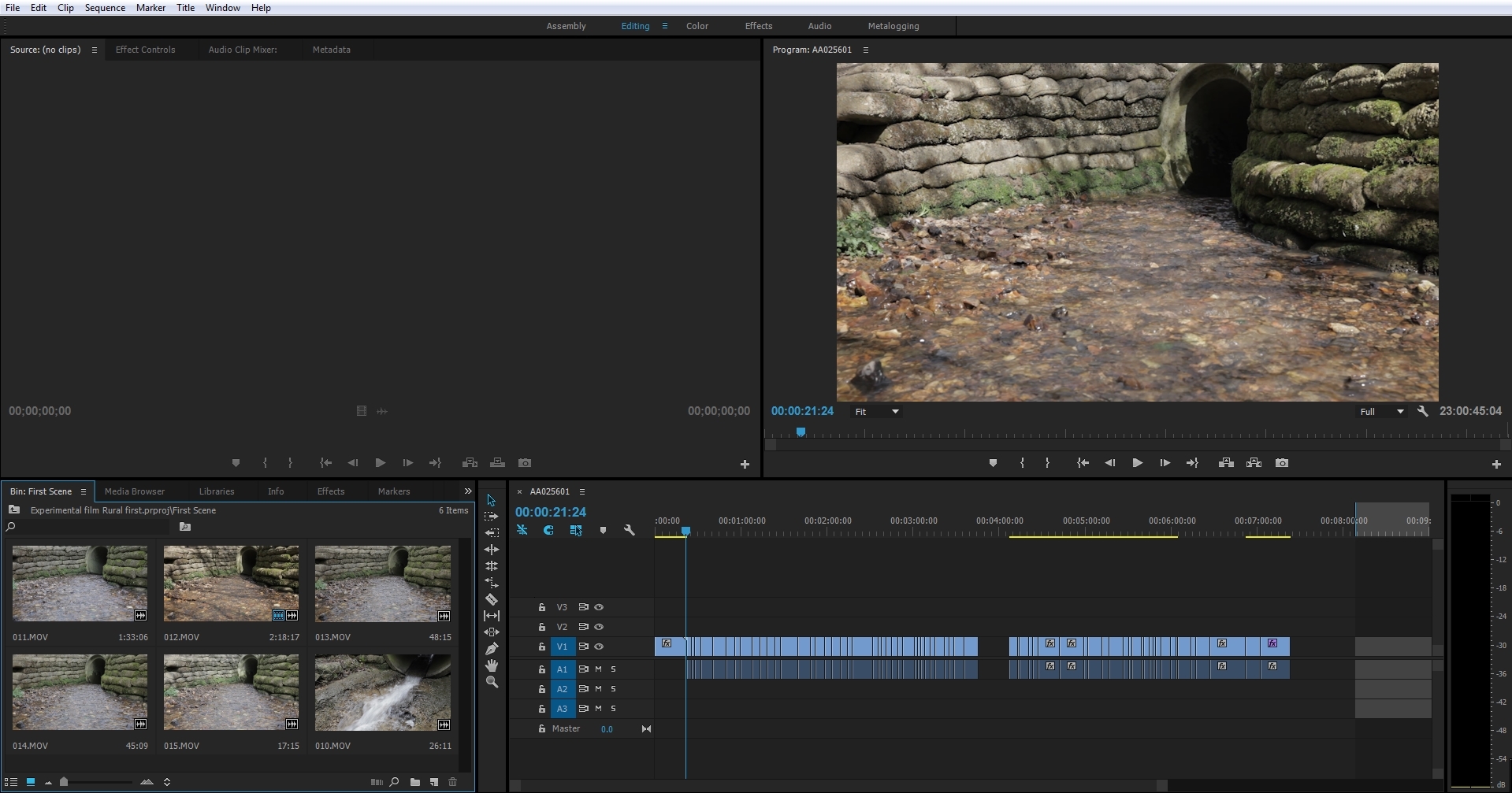
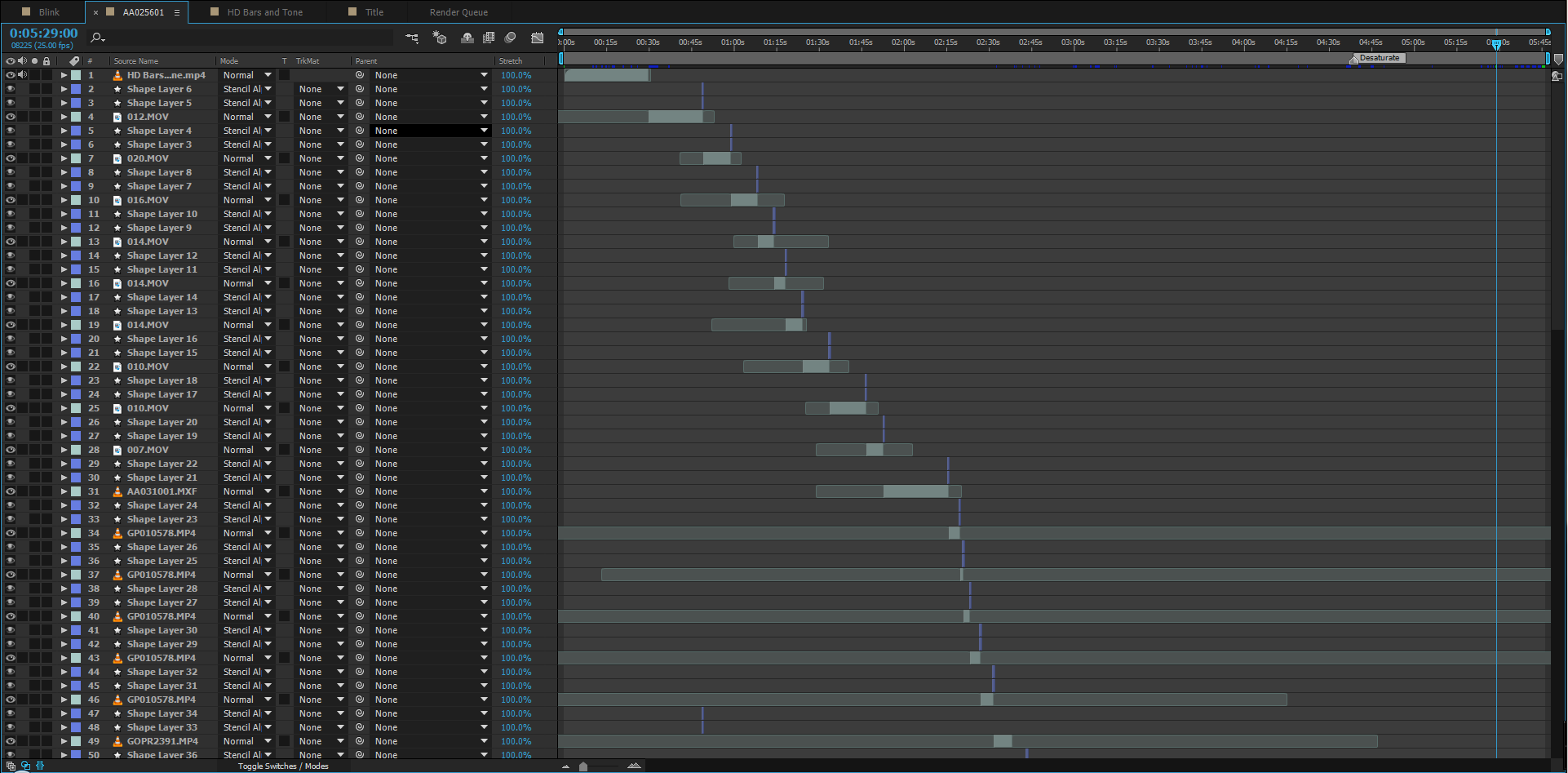
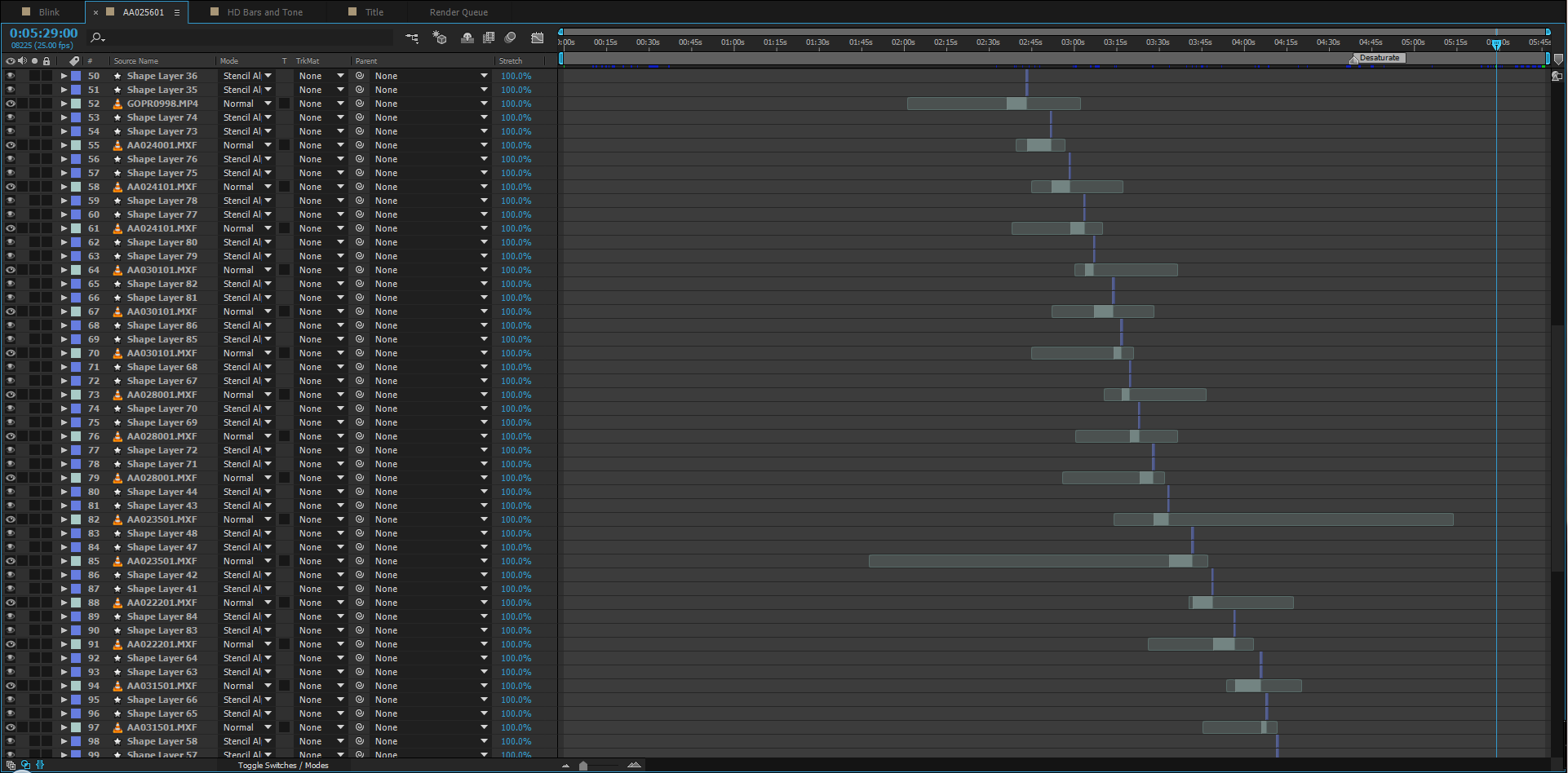
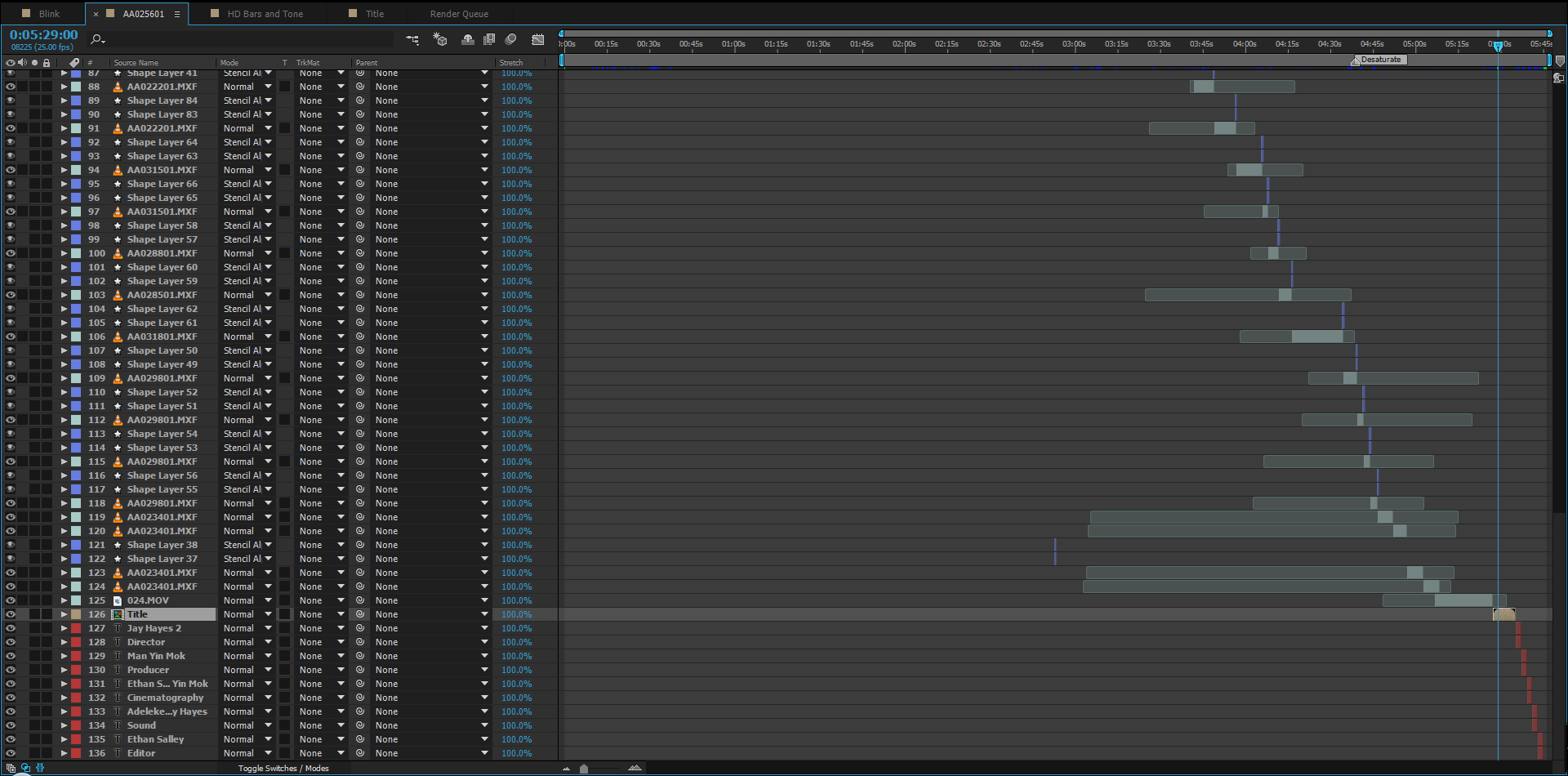



 Summary
Timeline (pre-production and production)
23rd Feb Tutorial with Anne

29th Feb Tutorial with Anne

2nd March - Emailed Sky Garden
3rd March - Got back from Sky Garden, told to email a different email address
- Jay's sister's friend says yes to do our film
- Asked around in the Master class of crafting for a
middle age performer, got one contact,
email him
4th March - Emailed Farnham Council, Guildford Council and Glyndebourne for location permissions
- Posted on CastingCall Pro for actors/actress
5th March - Location scouting: Chimney(Wanborough), and Guildford Canal
We tried to figure out how to walk to the chimney from train station

 |
| There's a gate stopping us |
 |
| We walked around the area and see if we can find another way |
But
since we can't walk to the chimney place without going through the
gate, we called and messaged the number shown on the gate.
6th March - Emailed Rushmoor Council for permission for the reservoir area
- Emailed English Heritage for permission to Waverley Abbey
- Contacted Farnham United : http://www.farnhamunitedfc.co.uk/club/Contact
- Schedule agreed: https://docs.google.com/document/d/1ywOQ0iWl3GLJDzz1GwIJbeyvn03GsuAg0I-e4N-J6kI/edit?usp=sharing
7th March - Moor Park filming day


8th March - Reservoir area filming day
9th March - Wanborough filming day (raining non stop)


10th March - Farnham Park day
 | |||
| Was thinking to film the river with GoPro but it was too muddy |
14th March - Maze and London


15th March - Waverley Abby and Guildford
16th March - London


Motivation for initial idea
The idea stemmed from the wanting to use landscapes to tell a story or in this case show a message to the audience (metaphorical landscapes)
A lot of inspiration came from the film turner which uses massive landscapes to create moods
This made me look more into turners work and his use of metaphors in his landscapes
we initially wanted to use turners painting style simulated in film for but later decided that the naturalistic look worked better
the initial idea would of contained an actor interacting with the landscape
Synopsis
A Pov film taking the audience on a journey through the world. the journey shows the audience the interchanging relationship between rural and urban environments and invites the spectator to make judgments about or impact of nature and its impact of us. This message is shown via slowly increasing influence of nature in an urban environments and then the inverse. The end poses a question about where humanity is finally headed, to an edenistic or urbanistic eutopia.
Treatment
The treatment changed a lot as the film developed, the initial treatment was;
• Wide landscape shots with a metaphorical landscape
• A spirt interacting with the foreign object in the landscape
• Turner style painting effect
• Two focus points
• Sun going from morning to evening over piece
This changed as we firstly didn’t like the idea of just one actor and wanted lots to represent the whole of humanity, this obviously was very difficult, when then thought the idea of pov camera could represent humanity as a whole as the spectator.
The turner style painting effect again didn’t fit this new concept and muddied the meaning.
The two point focus changed by having more styles of shots to represent the location itself.
The sun was something we used stylistically not with initial creative meaning
The treatment now was;
• Pov film
• A mixture of wide location shots and intimate go pro shots
• Eye focus shot. Jumping into zoom
• Locations with metaphorical meaning
• Framing shots
• Hand held shots for natural look
• Sound design 3 part structure: experimental walking, cross fade from urban to rural, descriptive sound for each situation (metaphorical)


 |
| Original Storyboard (by Ethan) |
Storyboard (scene meaning)
• Boat to Thames =the use of water by humanity
• Gerkin= the rising of industrialisation
• Construction site tree= building around nature
• Root wall = nature recapturing
• Weed hair= human connection to nature
• Canal = controlling nature
• Green house = hope from home
• Maze= surrounded by nature
• Feet to river transition= connection
• Nature reserve= fake nature
• Avenue = organising patterns in nature
• Reservoir= controlling nature for human consumption
• Boardwalk= experiencing nature
• Tank stoppers = human history mark on nature
• Cave= living with nature
• Chimney= humanities need for nature
• Abbey = faith and nature
• Pillions= across the world
• Bunker = capturing glimpses of nature
• Hill city = looking over relationship
Roles and Achievements
Director: Jay Hayes
Producer: Man Yin Mok
Cinematography: Ethan Salley, Man Yin Mok
Sound: Adeleke Adewale, Jay Hayes
Editor: Ethan Salley
We are mostly working together at all times in pre-production period and production period. Then in post-production period we split into two teams for cinematography and sound.
In pre-production period, we agreed our roles but we will still contribute to ideas on everything when needed. Also, we all contributed to paperwork on risk assessments because of the quantity of locations and the limited time. In production period, the Director would tell the cinematography team what he wants for the shot then let the team capture it as many time as possible until we are all satisfied with it. At the same time, Ade would capture the sound. In post-production, the two teams work separately but would communicate at the end of the day to check if everything's alright.
Jay Hayes: I achieved creating a coherent stylistic film using both cinematography and sound to display a more symptomatic meaning.
Man Yin Mok: I achieved making sure things that need to be done are done and be done on time. I also achieved the desired cinematography look of the film.
Ethan Salley: I achieved operating the camera well and the desired cinematography look of the film. Also, I was able to achieve a naturally flowing edit using After Effects and Premier Pro.
Adeleke Adewale:
Inspirations/ Research
The ideas evolved along the production processes but we still hold on to our original research for inspirations. See the blog for Pitch: http://manyinmok-dfsa.blogspot.co.uk/2016/02/experimental-video-pitch.html.
Challenges
Weather:
A issue that we had to overcome whilst filming was that in result of all the filming being outside, we had to tackle filming in different weather conditions. One day during our filming week was a wet day which made it hard for us to film. [Plastic bag]
Finding locations:
When it came to finding locations for our film, we wanted to make sure that each location had a strong meaning behind it so that we could send our message to the audience clearly. This required us to find various locations in both rural and urban areas. It took us a while to finalise and decide on enough locations for the film.
Getting permission:
Adding on from the last point, for every location that we used we had to ask various different councils and companies to give us permission to film in public or private land. This required us to fill out a lot of paper work for each location which took a long time.
Keep flow in shots:
Although we also mentioned this in the strengths section, it was quite challenging to be bale to actually have a nicely flowing product. In order to keep the flow in the film it took a lot of time and fine tuning of each clip in the film.
Making environments interesting:
Being able to create meaning behind every shot was quite a hard task for us to overcome. We wanted to grab the audience throughout the whole film which requires us to make the environments we film to be interesting. We've been out filming for at least 5 hours on each filming day to make sure we get enough shots for each location.
Strengths
Perspective:
Originally we wanted our character to be shown through an actor. This is so that we could film the character interacting with the different locations. Although, we were not able to find suitable actors for our part due to time and some unfortunate circumstances. So we decided to use the idea of the camera becoming the character. We did a lot of planning on how we could accomplish this and made the decision that we preferred this over using an actor. We think that the audience becoming the character in this experimental film was an important way to get our message across and become a part of this journey through the locations. Us filming this made us go through the journey as well so we thought that we could bring the audience through this film to make each person experience it differently.
Blinks:
We all decided that instead of using hard cuts we wanted to use blinks as our transitions between locations. This is because we believe that the blinks made it easier to create a natural flow throughout the film. Since we used a first person perceptive we wanted to create blinks to make to add towards this perspective of the camera becoming the character.
Title:
The title was something that was debated to either not show or be shown. Showing the title would be able to help round up our points and show it to the audience. Although, as an experimental film we also want to show our message to the audience through the actual content of our film rather than clarifying it at the end. Finally we believed that in the end we should show a title because it would be a good way to round up our film. We believe that the title animation worked out very well and we are pleased with how it came out visually.
"ment" is a suffix that can form nouns for actions or results. Action and results, just like the relationship of humanity and environment. The fact that we are showing this suffix act as a little comment from the team and a space for audience to think.
Sound scape:
From day 1 of our project we wanted to have the soundtrack to this film to be quite dominant. Just having the images alone without a good soundtrack to go along with it would make it quite boring and not fully explained. We want the soundtrack to send the message even further beyond the image and become a very important feature of the film.
Shot arrangement:
In post production we wanted to keep a natural flow between each clip to make it pleasing for the viewer to watch. This is why the way we arranged the clips is a very important task for us. The questions What shot should be next? How long should this be? and Does it flow into the next clip? came up very often in the editing process. Overall we were happy with how our film flowed.
Pacing:
We believe that pacing our film was important in order to keep the attention of the audience. If we made the film too long then the message that we want to send would eventually get lost and not impact the audience as much. So even though that we shot a lot of clips we needed to cut it in such a way where it is not too long for the audience but also efficiently send across our message.
Post Production
First edit: Rural first
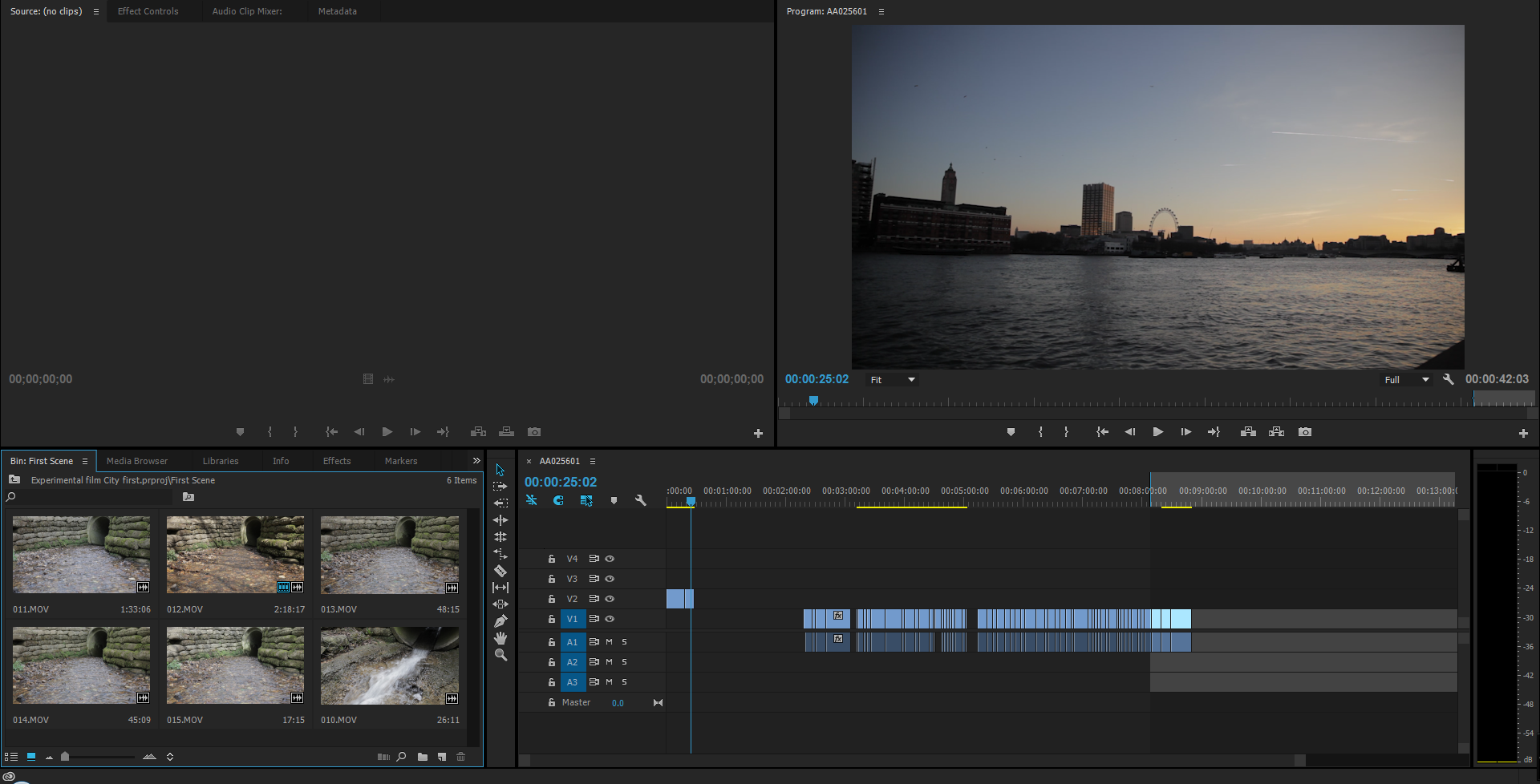
Second edit: Urban first
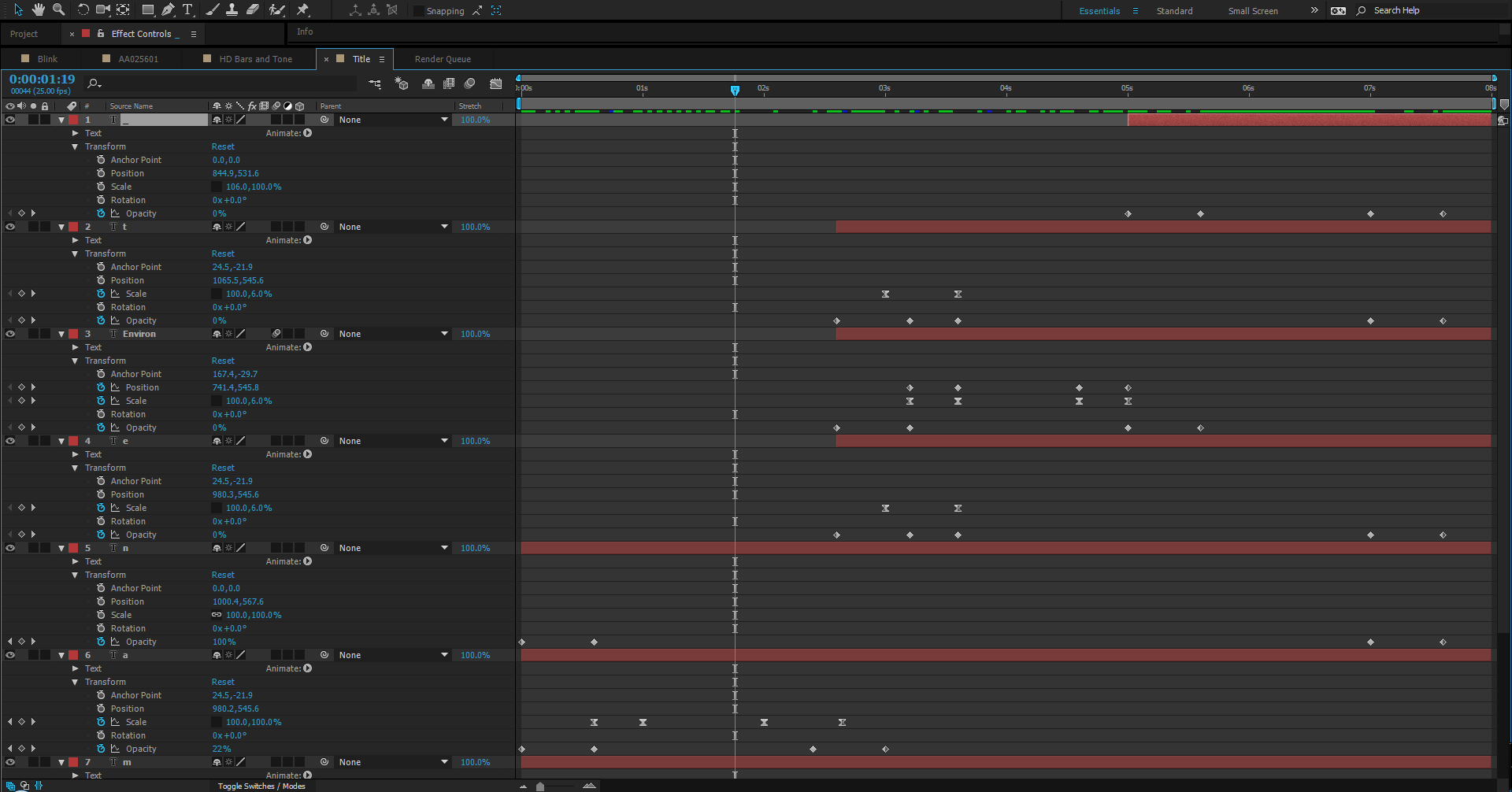
After effects timeline
The title
Blink
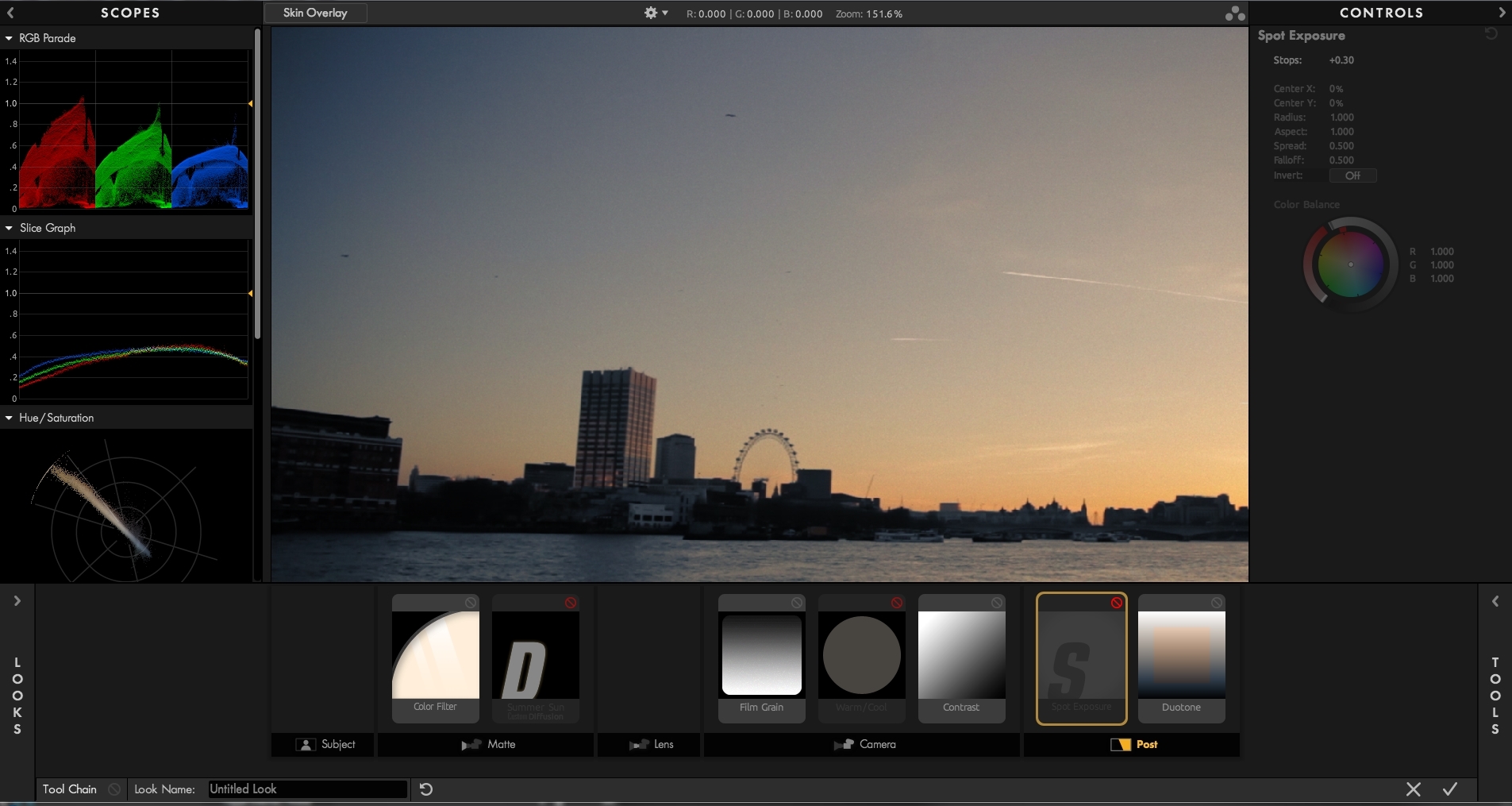
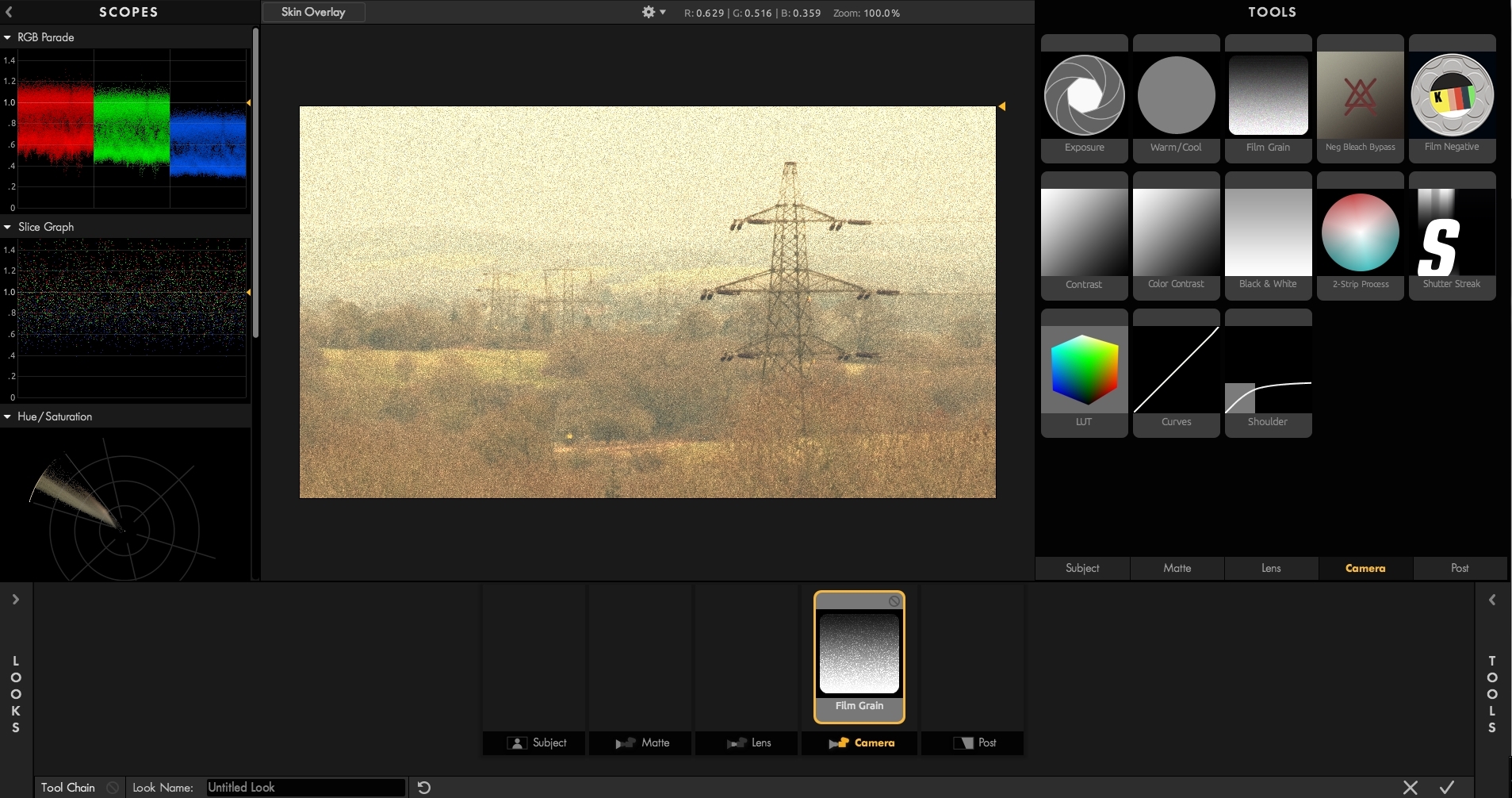
Colour correction
Static
Building The SoundtrackAs the sound producer it was my job to capture the life of the overall project of our film are angle was to take the audience and use what they saw and heard as a character so building the soundtrack with jay was a challenge because we had to capture all the live sounds and manipulate them so the audience could feel every scene we achieved this in post production using the equalizer and correcting the sound and using pitch shifter i myself created the backing track and contributed to the platform of life of the film by providing a soundscape that put your mind in each scene jay handled the decoration sound and enhanced the type of sounds you would be surrounded by depending on the scene for instance if you was in the city you would hear traffic lights cars people talking and even airplanes depending on where you was and if you was in a rural environment you would hear natural sounds like trees blowing birds singing ducks qwacking and so on we made the choice to combine both elements to add depth to our film and the sound acts as another layer in our film that puts you in position to experience what we experienced while filming our film "ment" combines the visual aspects and sounds of the city with the broad and clear landscapes and sounds of nature in a rural setting our film asks the question of weather one environment overshadows the other and do us as humans benefit with both or one or the other the sound gives you another element of the film by making both the city and rural environment strand out and highlights the fact that both environments futures each other.


All together we are happy about the outcome and all the things we learnt in the process.
Man Yin Mok: I learnt so much in the pre-production period about paper works and communications. In production period I learnt a better use of the camera XF305 and the importance of lighting. In post-production period I gain a better knowledge of After Effects and Premier Pro even just by watching.
Monday, 18 April 2016
Experimental Sound
My inspiration is from Dull Gret which is about a woman called Meg leading an army of women to the Mouth of Hell. I did some research online and found out the serious meaning behind it. There is a play about it and I really like a clip from YouTube:
The Monologue of her made me want to do a voice over in my final sound. However, I don't really like the idea of me editing my voice so I changed my mind to do the piece in my perspective, imagining if I am in the world of Dull Gret. I was really tempting to make a full story out of sound but I was reminded that we only have one to two minutes so I made the story short.
At one point I thought of doing the language thing again but it won't suit my theme...

I have two version of story in my mind before I do my recordings:
1. Me as a follower fighting with the others against different monsters then got eaten by the Mouth of Hell.
2. Me as a outsider witnessing the army approaching to the Mouth and got eaten.
It will be perfect if I can do the first one but I think of the second one as a backup in case I can't do the fighting sounds. As for the ending, I want the Mouth of hell to swallow the army because it can be a open ending that the army may die or end up in hell.
Recording
First I did some recording using the Zoom H4n.
From the painting, I can see elements of wind and fire. I recorded the wind in the field behind the University. For the fire, I used the plastic wrappings of a big Easter egg, crushing it in different ways with my hands. Then I wanted some footsteps so I recorded myself walking and running. Later, with my keyboard and the software Garageband I made a background noise for the environment. I made two version. One is scarier and one is more of a feeling of religious. The scarier one end up in the final edit because the religious one sounds less experimental to me although I still want the feeling of it. I am not sure if religious is the right word to describe it but I want to describe the feeling of a will to travel a long way with Meg out of faith. Below is the one that is not used in the final edit.
When I have my tutorial with James the sound tutor I showed him a rough edit and ask some questions. The background sound made by keyboard contains some elements of musical instruments in it so I am not sure about if it is allowed for the experimental sound piece. After listening to it, James said it is fine. Then I asked about booking out the sound booth so that I can do other sounds like monster sounds and fighting sounds. He told me about a new programme called Dehumanizer in the booth so that I can play with it to do the monster voices. Also, he said I can use cutlery to do do the fighting sound by tuning it to a lower pitch.
The day in the sound booth I started with the Pro Tools programme.
Editing
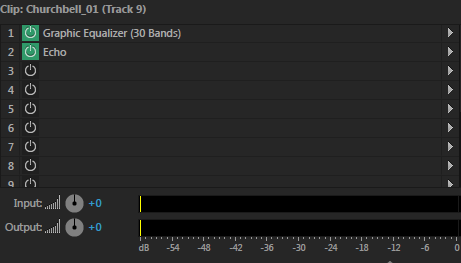
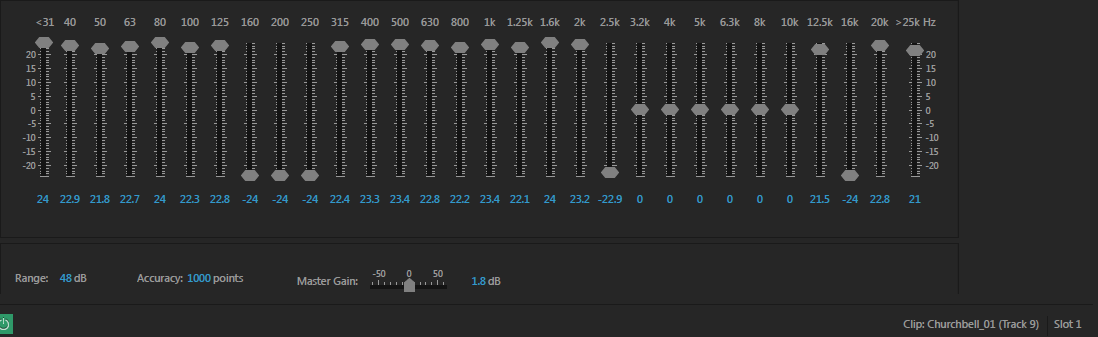 I tried to make the "Churchbell" sounds more like a real church bell with the right amount of selected Hz and more Echo.
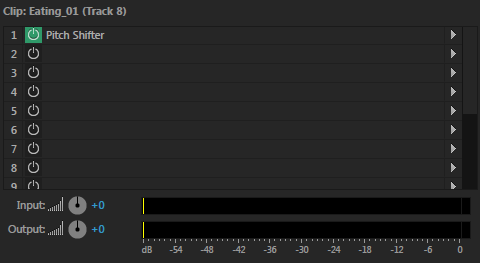
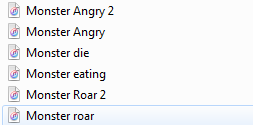
As for the eating noise I made it lower in pitch in the edit to make it sounds more like a monster.
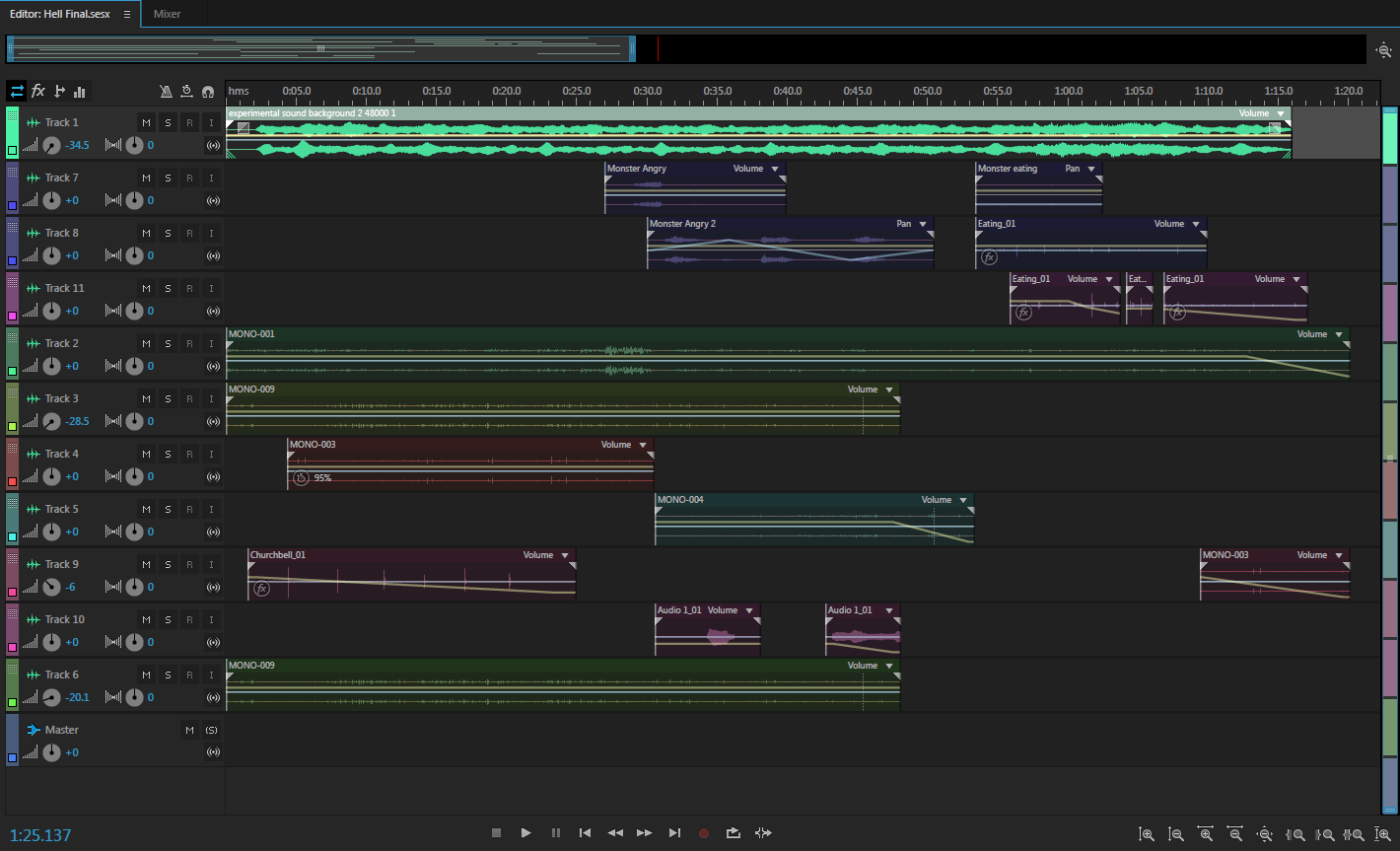
After some allocation of sounds, and adjusting the volume and pan the final sound is like this:
Reflection
I really enjoyed the project that I am able to use my imagination out of just music. I choose Dull Gret because it is so magical that I feel like I can do anything. I am happy about the Dehumanizer but I am disappointed of myself not been able to figure out how to do the fighting scene. I learnt a lot about recording and Audition and hope I can do more in the future.
The Monologue of her made me want to do a voice over in my final sound. However, I don't really like the idea of me editing my voice so I changed my mind to do the piece in my perspective, imagining if I am in the world of Dull Gret. I was really tempting to make a full story out of sound but I was reminded that we only have one to two minutes so I made the story short.
At one point I thought of doing the language thing again but it won't suit my theme...
I have two version of story in my mind before I do my recordings:
1. Me as a follower fighting with the others against different monsters then got eaten by the Mouth of Hell.
2. Me as a outsider witnessing the army approaching to the Mouth and got eaten.
It will be perfect if I can do the first one but I think of the second one as a backup in case I can't do the fighting sounds. As for the ending, I want the Mouth of hell to swallow the army because it can be a open ending that the army may die or end up in hell.
Recording
First I did some recording using the Zoom H4n.
From the painting, I can see elements of wind and fire. I recorded the wind in the field behind the University. For the fire, I used the plastic wrappings of a big Easter egg, crushing it in different ways with my hands. Then I wanted some footsteps so I recorded myself walking and running. Later, with my keyboard and the software Garageband I made a background noise for the environment. I made two version. One is scarier and one is more of a feeling of religious. The scarier one end up in the final edit because the religious one sounds less experimental to me although I still want the feeling of it. I am not sure if religious is the right word to describe it but I want to describe the feeling of a will to travel a long way with Meg out of faith. Below is the one that is not used in the final edit.
When I have my tutorial with James the sound tutor I showed him a rough edit and ask some questions. The background sound made by keyboard contains some elements of musical instruments in it so I am not sure about if it is allowed for the experimental sound piece. After listening to it, James said it is fine. Then I asked about booking out the sound booth so that I can do other sounds like monster sounds and fighting sounds. He told me about a new programme called Dehumanizer in the booth so that I can play with it to do the monster voices. Also, he said I can use cutlery to do do the fighting sound by tuning it to a lower pitch.
The day in the sound booth I started with the Pro Tools programme.
The sounds are recorded in different variations and left space in between so that it is easier for cut and selection later in the edit. Sorry I didn't take photos of the object used in the booth.
Then I recorded with the Dehumanizer:
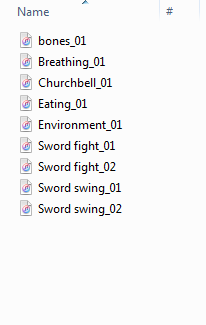
The "Bones" are me cracking the bones of my wrists to simulate the bones being crushed when the monsters eat them. "Breathing" is me trying to simulate the breathing of my character but it didn't end up in the edit cause it is too much and disturbing. In "Breathing", I also did the screaming that ends up in the final edit. In "Churchbell" I used a random metal in a shape like a coat hanger, and I used a spoon to hit it. "Eating" is simulating the voice of monster eating. "Environment" is me using two bricks to do some sliding and hitting but didn't end up in the final edit cause the background noise I made with keyboard is enough. The "sword fighting"s and "sword swing"s is me doing sounds with two metal bars and some cutlery but didn't end up in the final edit because I couldn't make them sound like the fighting sounds in Audition. So the story line will be version 2.
As for the eating noise I made it lower in pitch in the edit to make it sounds more like a monster.
After some allocation of sounds, and adjusting the volume and pan the final sound is like this:
Reflection
I really enjoyed the project that I am able to use my imagination out of just music. I choose Dull Gret because it is so magical that I feel like I can do anything. I am happy about the Dehumanizer but I am disappointed of myself not been able to figure out how to do the fighting scene. I learnt a lot about recording and Audition and hope I can do more in the future.
Sunday, 20 March 2016
Final Twin Screen and Reflection
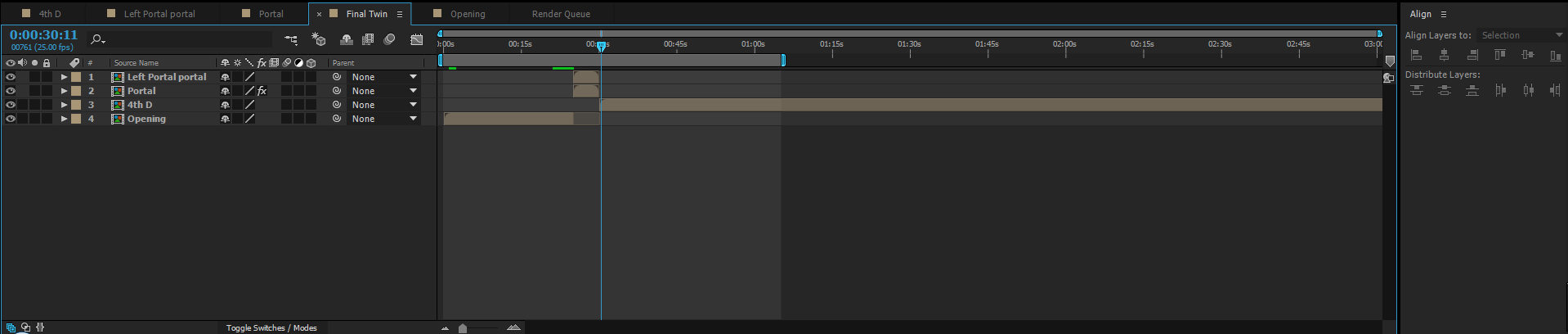
This project was supposed to finish before the filming week because I knew there won't be enough time for Twin Screen once I started filming the Experimental film. However, I tried to work on it in the filming week as well to improve it as much as possible due to my lack of skill to achieve what I wanted with the materials I have. I don't think my final work is telling the story that I wanted to tell about the futuristic 4th dimension. I don't really like it when my work can't speak for itself but this time my work has to view with a description to understand.
"A short story set in the future presented in both our dimension and 4th dimension.
A man living in the future where everything is packed and busy, tries to preserve his lover in 4th dimension where time is infinite. The 4th dimension collapse as the world itself is unstable to life forms. "
However, I am happy that I learnt more about After Effects. I am still not very confident using the programme but I found myself learning stuff easier while trying to follow Lynda tutorials than asking physical help, due to the fact that I can refer back to the video as many time as I want. Hopefully in summer I can learn more about this programme by self exploring and hope my laptop can handle it... This project took me an hour and a half to render it in W Building and I didn't dare to render it on my laptop.
If I have more time I would like to develop more on the view of it and compose my own music. It would be fun to create a futuristic soundtrack involving the mysterious 4th dimension.
After Effects Development
Footages
Rural : Farnham Park, field behind uni campus, green screen of me
Urban : London (Canary Wharf), green screen of Ethan
After Effects Applied
1. Portals between the two dimensions http://www.videocopilot.net/tutorials/animated_polygon/
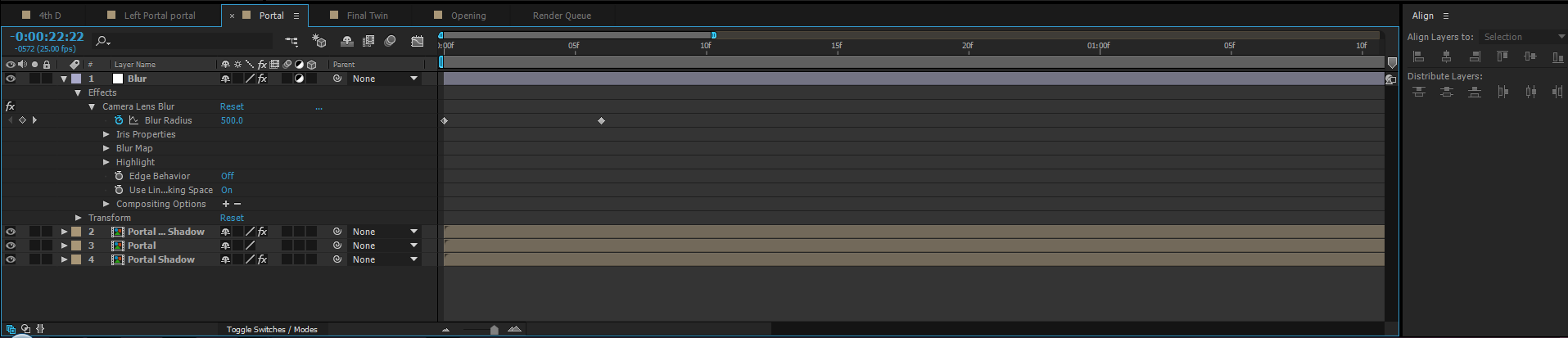
I first watched the video above and customised myself a portal. Then I put it in the duel screen, duplicate and flip it on the other side and adjusted the angle. I hope to achieve the visual idea of a portal taking us to the other side of the world. Since I added a lot of details in it to make it a more special shape and animation, it took me the longest time to do and render it (a 5-second clip...).
2. Playing with opacity, glow
I chose the footages I want to overlay and adjusted the opacities. Then I played around different footages with the effect of Glow to give a more surreal view.
3. Green Screen
Before going to the journalism studio, I knew I need a boy on the left side of the screen and a girl on the other side, floating, if possible. They should be anonymous so they will be just be a shade and I masked out Ethan's hair as well.
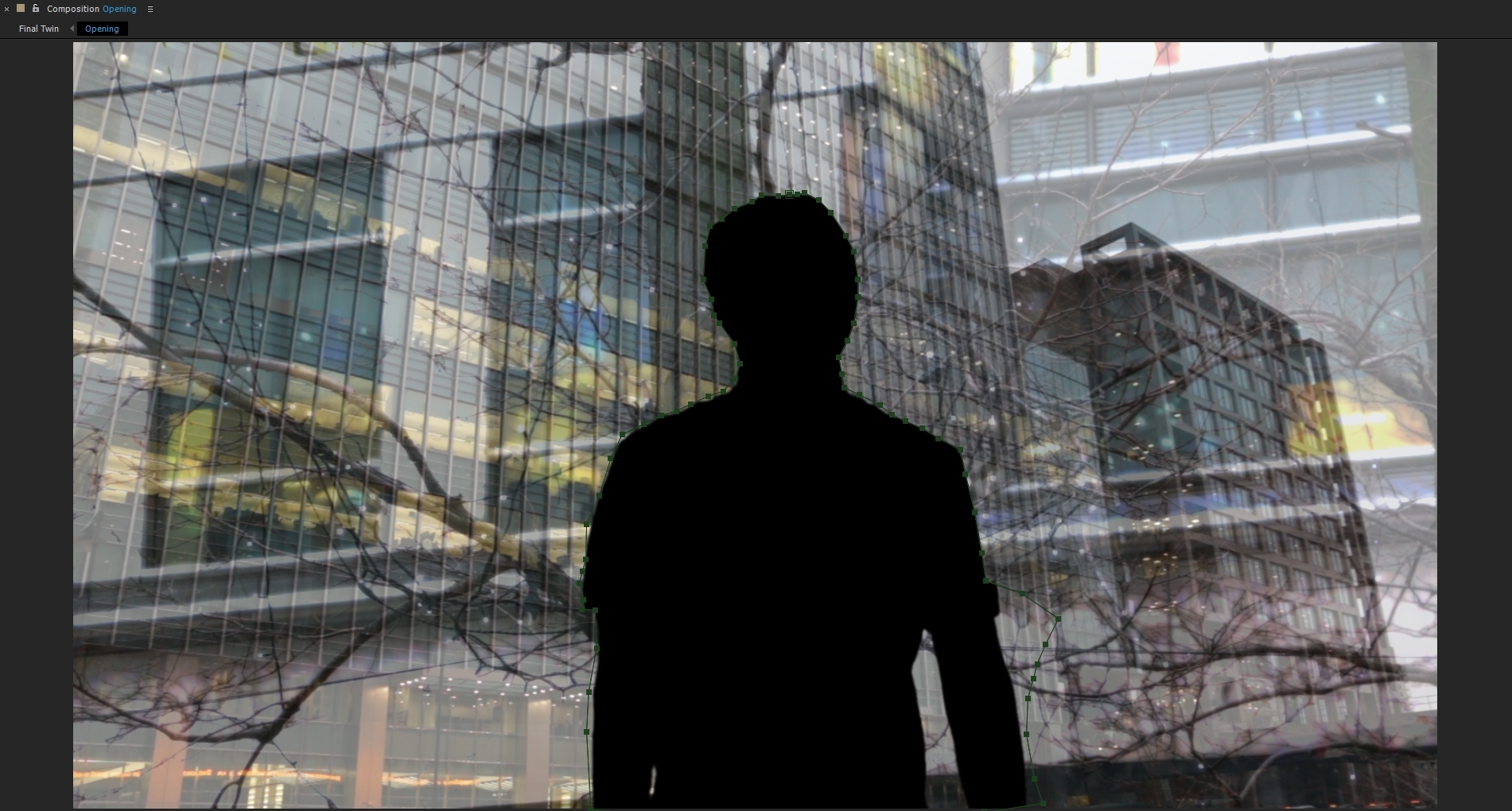 |
| I was trying to make the tree branches to look more like a busy internet/ web. |
As for the floating part, I was thinking lay down on a table but then when I was in the studio I found two stools with green seats. The green seats are in a different shade of green then the green screen but I gave it a try. I tried to dangle my limbs and hair but they are too long to fit in the green screen. It would be better if the screen is also on the floor. When I do the editing, I had to mask out the chair because the shade is really different so can't be keyed out. In the last few seconds, Ethan walked into the frame so I masked him out and expand the mask according his movement in the last 2 seconds.
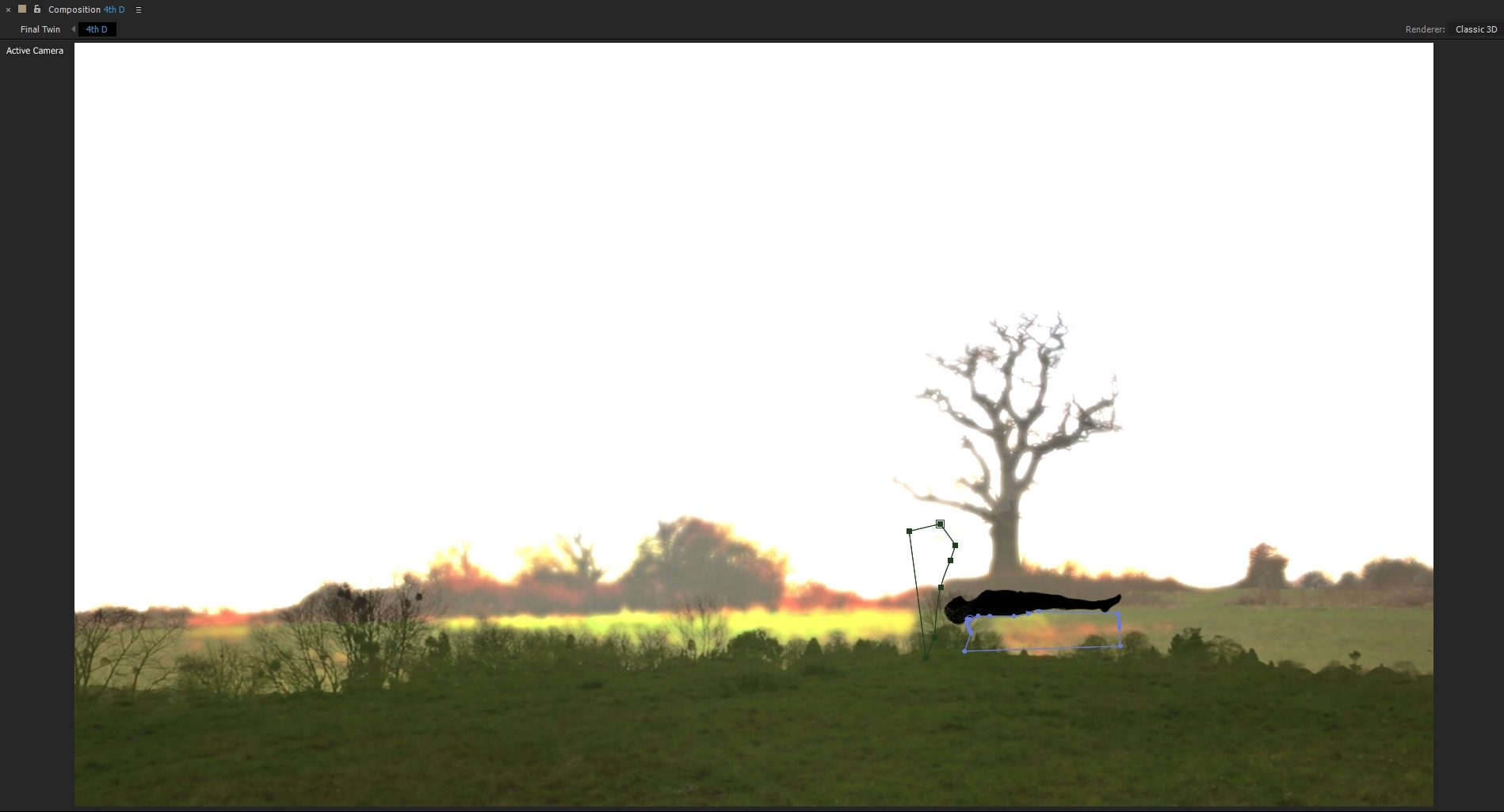
4. 3D Camera: https://www.youtube.com/watch?v=FBXp9gdUtJU
As I want to create a story, I knew I want to add camera in it to give the scene a bit more movement. I only added it to slowly moving towards the floating/ buried character as I want to keep the scenery.
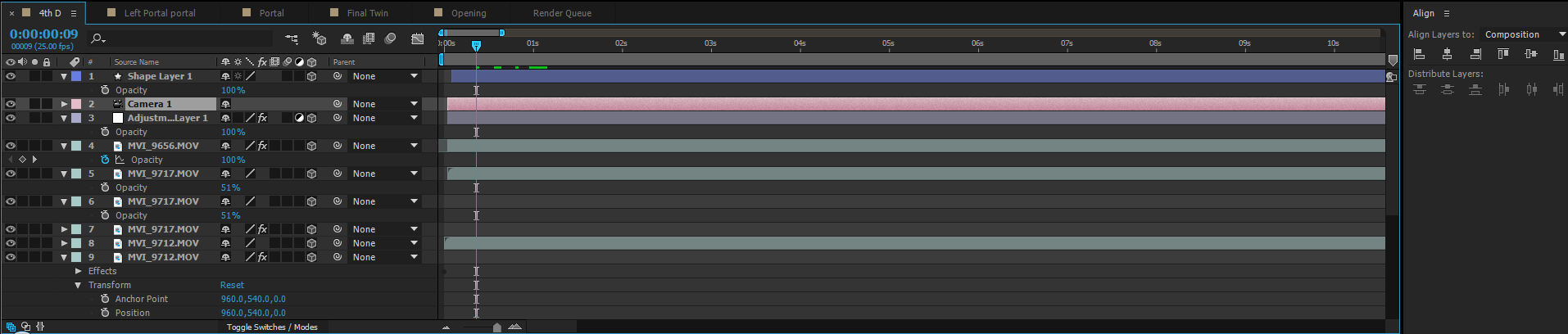
5. Swirl
I used this effect to end the story and the world is a way to show the 4th dimension is unstable. I didn't use static/ noise to end the world as said in the last post because I think it makes more sense to have black screen/void to show a ended world.
6. Tint
I played around with colours at the end while the world is unstable.
Monday, 29 February 2016
5 Stills Development and Final Stills


After doing the shoots I try to think of a different way to present it than just a set of enlarged passport photos. So I searched online on how to remove the shadows in the background.
Then I choose the photos to be used and edit them: high contrast(100%) and low saturation(-50%).
Later when I think of presenting in a different way I try to split 4 subjects in 5 photos to represent the feeling of having separate cultures in one person (western born but asian culture centred). However, I then realised the focus of the stills should be on challenging the stereotypes instead of on their actual identities.
When I was in Tate Modern I saw something simple but strong.
 |
| LORNA SIMPSON |
So I finalised my 5 stills back to passport-photo-like portraits.
Visualising the Installation
Made in ...
Image 1 Image 2 Image 3 Image 4 Image 5
Canada UK UK Portugal Germany


"Made in ..." is referring the places they were born in and also a identity related phrase e.g. Made in Chelsea (TV series), Made in China (News: China surpasses US as world's largest trading nation) ...
Summary/ Reflection
The final series looks really well, better than I expected as a newbie to portrait photography. I learnt a lot from chatting with the subjects. The challenge is, since I could not book out a studio due to unpredictable schedules with the subject, that I had to do my lightings in the homemade studio carefully to make the lightings look similar. Also, for one of my subject I had to travel to Epsom, so it's another totally different environment to do my equipment set up. I am glad that I can fix most of the flaws in Photoshop but I would say I can do better if I have more time with the subjects or have them in one day in a proper studio.
Artist Statement
Through talking to other Asian people I realised we all had experiences of being misunderstood or stereotyped. Not every white face is British, so as not every Asian face is Chinese/ Japanese/ no difference(no we don't look the same). The series intrigues people to rethink before assuming one's identity.
Subscribe to:
Posts (Atom)